|
 |

Benefits of Using Creative Rail for Railway Engineering
Qualifying Potential Sites for Track Construction
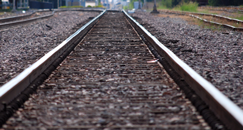
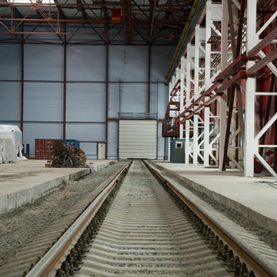
Since we base our designs on 40+ years of railroad operating and engineering experience and our familiarity with current railroad design and construction standards, we are able to develop track layouts that satisfy railroad industrial development managers and engineers with a minimum of do-overs. We encourage our clients to have potential sites evaluated and qualified for track construction very early in the site selection process even if the sites are located adjacent to an active mainline because each railroad establishes design and operating criteria that must be followed in order to obtain a “will serve” letter or similar assurance of rail service to the site.
|
|
 |

 |
Boots On the Ground |
|
|
| We like to begin our concept design process with a “boots on the ground” walk-through of the preferred site and a game of “twenty questions” to gain a thorough understanding both of the proposed operating plan for the industry and the existing railroad operations. Following the collection of site and operating information, several initial concepts are developed, evaluated and distributed to the project owner for further evaluation and discussion. The concept that emerges as the most economical, expandable and efficient is submitted first to the client for |
review, comments and any required revisions, then to the serving railroad for preliminary approval. As the project moves forward, a detailed design is developed from the approved concept design and submitted for final railroad approval. During later phases of the project we often develop customized specifications, assist with the bid process and observe track construction to insure that the general intent of the plans and specifications is followed. |
|
 |
 |
|
Bridge Inspection Philosophy and Procedure
If you are operating a short line railroad and are concerned about the FRA Bridge Safety Standards scheduled to go into effect later this year, you have the opportunity to benefit from the experience of a former short line Chief Engineer who understands how to keep bridges safe and in compliance while operating on a tight maintenance budget. Our philosophy is simple, practical and based on the principle of a chain. Like all other structures, a railroad bridge is no stronger than its weakest component, whether that component is a post, sill, pile, cap, stringer, cross tie, brace, backwall or simple fastener. Based on both our Class 1 and Short Line experience, we believe the best approach to finding weak links in bridges is an annual visual, non-destructive inspection. This method offers distinct advantages of efficiency, economy and sufficient thoroughness. When the “weakest links” are known remedial actions can be prioritized to maintain load carrying capacity and avoid unnecessary slow orders.
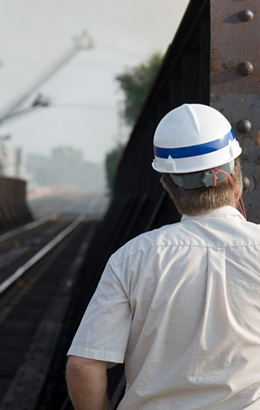
Creative Rail inspection services include a review of previous inspection reports, a thorough visual inspection both from the ground as well as from the deck of the structure, documentation of notable conditions and sounding each suspect timber component that can be safely reached from the ground. Conditions found during inspections that require immediate attention are reported to the railroad employee accompanying the bridge inspector. A prioritized report of conditions needing further evaluation and/or repair is furnished to the client within two weeks following the inspection. Optional services include development of maintenance, rehabilitation and upgrade plans, repair and rehabilitation estimates, design and load rating (provided by associates licensed in the appropriate state,) bid assistance and construction observation. |
Implementation Plan
Creative Rail employs the knowledge, techniques and strategies learned over three decades of increasing responsibility for track inspection, maintenance and engineering to conduct the necessary assessments, find defects and noteworthy conditions, recommend remedial actions and provide budget estimates for maintenance activities.
Methodology
Particular attention is paid to track in curves and switches which often develop problems before tangent sections of track. All defects are marked in a manner agreeable to the track owner, recorded on an appropriate form and photographed if desired. Conditions that should be monitored are also noted and photographed. Within two weeks after each inspection, a written report is forwarded to the track owner. Conditions needing immediate attention are reported to the appropriate employee upon detection or as soon as possible.
Resources
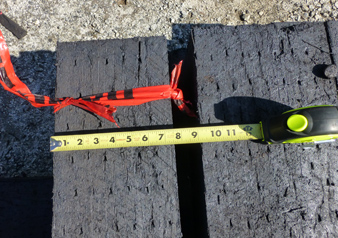
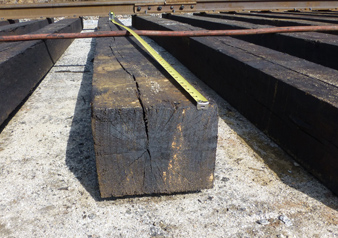
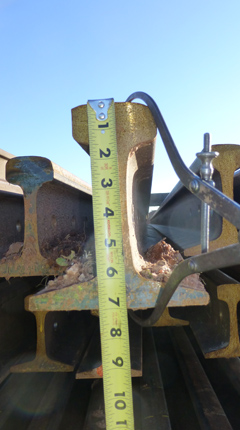
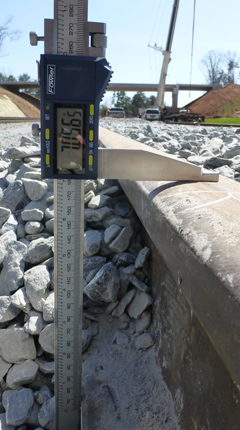
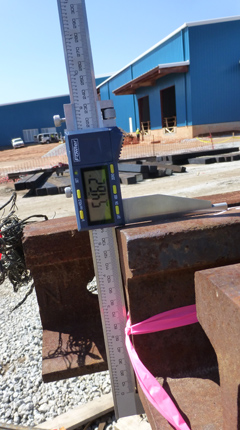
Creative Rail has the resources necessary to provide the recommended assessment of the condition of the track, switches, and roadbed and drainage facilities. We possess the necessary understanding of current track safety standards and have the ability to detect deviations from the standards due to an extensive background in railroad maintenance and inspection, previous responsibility for training track inspectors and qualifying personnel in Federal Railroad Track Safety Standards,. We have the tools and knowledge required to measure critical dimensions properly and the judgment to accurately analyze track conditions. |
|
 |
|

 |
 |
|
 |

 |